Setup & Safe Storage · Guide
How to store ammo long term: cool, dry, sealed, and measured
Modern ammunition keeps for decades if the conditions are stable. It is temperature swings, humidity and loose handling that age it, not the calendar.
By Mike M.Updated Researched
#adReader-supported: we may earn a commission if you buy through our links, at no extra cost to you. It never decides a ranking. How we rate · Disclosure
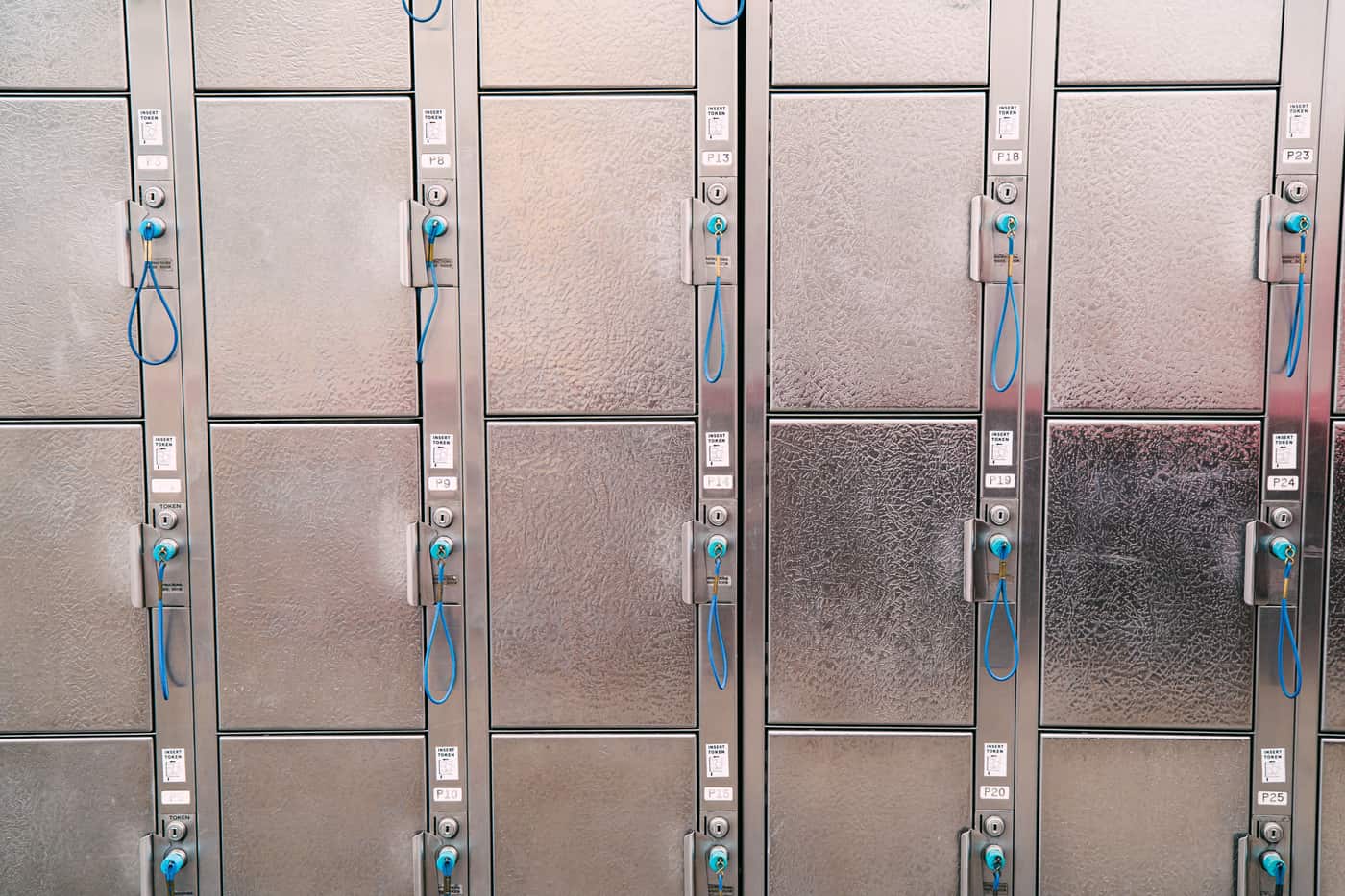
Ammunition does not have a shelf life printed on it, and in stable conditions modern centrefire ammunition stays usable for a very long time. What degrades it is the environment: heat cycling, humidity, and physical handling that scuffs cases and loosens bullet seating. Long-term storage is therefore a question about where and in what, not about additives or tricks.
Everything below is drawn from SAAMI's published documents and makers' specifications, checked 2026-10-17. Each product carries a dated CPSC recall search on its card. Our best ammo storage roundup ranks the containers; this page is the method.
What SAAMI actually recommends
Where in the house
Rank the candidate spots by how stable they are, not by how convenient:
- An interior closet on a living floor. Conditioned like the rest of the house, no exterior wall, no slab. This is the best spot in most homes.
- A finished, heated basement, off the floor. Stable temperature, higher humidity: workable with a sealed container and desiccant. Keep it on a shelf, not on concrete.
- An unfinished basement or a crawl space. Only with sealed cans and measured humidity, and never directly on the slab, which wicks moisture.
- A garage, shed or attic. Avoid. These track outdoor temperature, which means daily cycling in summer and condensation in spring and autumn. See can you put a gun safe in a shed.
One more consideration that outranks all of the above in a household with children: it has to be locked, and ideally in a different container from the firearms. Our storing guns safely with kids guide and best gun safes for homes with kids cover that layer.
Containers and seals
The job of the container is to hold a stable microclimate and keep the cartons from being knocked about. Three things to look for, all of which are published specifications rather than opinions:
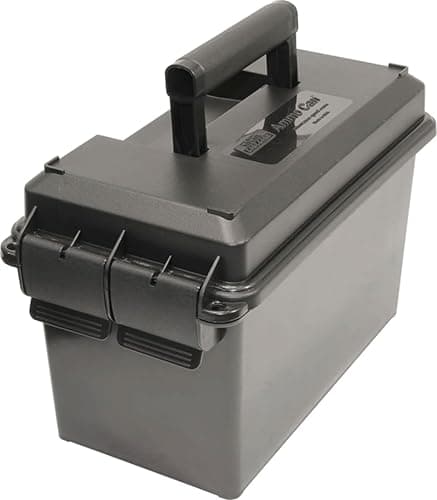
- A real gasket. MTM's AC50C states a tongue-and-groove O-ring seal and describes itself as water and dust resistant but non-submersible. That is the honest version of a seal claim, and it is what you want.
- Padlock provision. The MTM cans have dual padlock tabs and no lock supplied, so budget for a padlock if this is also your child-access layer.
- Load rating and stacking. The AC50C states a 30 lb carry capacity and stacking ridges; ammunition is dense, and an under-specified plastic box splits at the hinge.
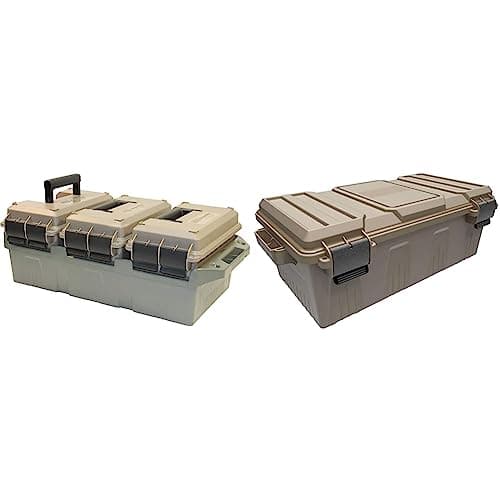
If you are storing more than a few hundred rounds, sorting by calibre matters more than total volume. The AC3C crate is three sealed cans in one carrier with tie-down points, which is the simplest way to keep calibres from mixing and to move the lot in one go.
Humidity without power
You cannot fix humidity you have not measured, and an ammunition cupboard rarely has an outlet. The sequence:
- Measure for two weeks. A hygrometer with a minimum and maximum memory tells you the swing, not just today's number. Hornady's wireless hygrometer puts the sensor in the container and the display outside it, which is the useful arrangement.
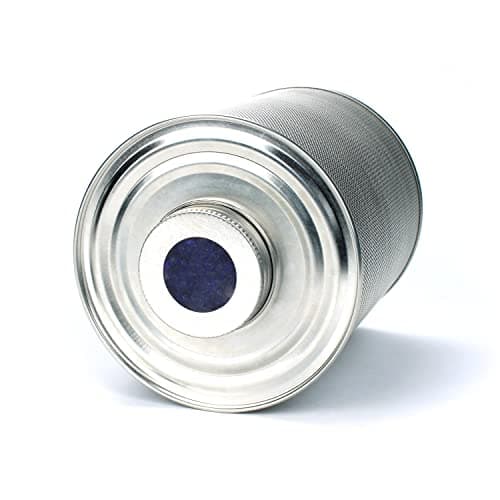
- Add desiccant sized to the space. A 750 g indicating silica gel canister covers up to 57 cu ft and changes colour when saturated, then recharges in a home oven. For a sealed ammo can, that is substantial overcapacity, which is exactly what you want in storage you open twice a year.
- Re-measure, then set a reminder. Desiccant is consumable. Put the recharge on the same calendar entry as your smoke-alarm batteries.
Do not use a warming rod in an ammunition container. Rods work by raising temperature to lower relative humidity, and heat is the one thing SAAMI's guidance specifically tells you to keep away from ammunition. Our electric vs rechargeable comparison explains the mechanism difference, and gun safe humidity levels gives target ranges. The EPA's moisture guide is a good plain reference on why basements behave the way they do.
What to buy
Our picks for this
A long-term storage kit, four items
Sealed containers, one desiccant with real capacity, and a way to read the humidity without opening anything.
Best ammo can for keeping humidity out
MTM Case-Gard AC50C Ammo Can
Accessory7.3/10A .50-cal-sized polypropylene can with a tongue-and-groove O-ring seal, dual padlock tabs and a stated 30 lb carry capacity. Water and dust resistant, not submersible.
$14.79Amazon#ad · Price as of October 19, 2026 · Disclosure for the link to MTM Case-Gard AC50C Ammo Can
Best way to sort ammo by calibre
MTM Case-Gard AC3C 3-Can Ammo Crate
Accessory7.1/10Three AC50C cans in one crate with four tie-down points. The straightforward way to keep calibres separated and still move everything at once.
$63.48Amazon#ad · Price as of October 19, 2026 · Disclosure for the link to MTM Case-Gard AC3C 3-Can Ammo Crate
Best no-power silica gel option
Hydrosorbent SG-750 Silica Gel Canister (750 g)
Accessory5.8/10750 g of indicating silica gel rated for up to 57 cu ft, rechargeable in an oven. Colour change tells you when, so nothing depends on memory.
$72.77Amazon#ad · Price as of October 19, 2026 · Disclosure for the link to Hydrosorbent SG-750 Silica Gel Canister (750 g)
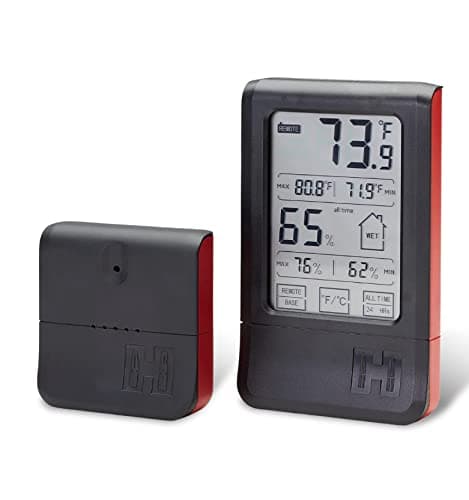
Best for reading humidity without opening the safe
Hornady Wireless Hygrometer 95907
Accessory6.6/10Remote sensor inside, touchscreen display outside, with high and low readings held. Measure for a fortnight before you buy anything else.
$40.98Amazon#ad · Price as of October 19, 2026 · Disclosure for the link to Hornady Wireless Hygrometer 95907
Labelling and rotation
Long-term storage fails quietly, through forgetting rather than degradation. A system that takes five minutes a year:
- Keep the cartons and write the purchase month on each one. The headstamp tells you the cartridge; only your note tells you the age.
- Label the outside of the can with calibre, round count and the oldest date inside. You will not open three cans to find out.
- Shoot the oldest first. Rotation is the whole point of a dated label, and it keeps the stock proven rather than theoretical.
- Keep a list somewhere other than in the container. Useful for insurance, and for anyone who has to deal with your estate.
What not to do
- Do not store it loose in a bucket or an ammo bag. Cases rub, bullets get pushed, and you lose the lot information.
- Do not vacuum seal with a food sealer. You are not removing the air inside the case, you are adding a step that hides corrosion from view.
- Do not keep large quantities in the gun safe with a warming rod. Heat is the wrong direction, and a fire rating describes the air temperature rather than what the contents do at it; see gun safe fire ratings.
- Do not use an attic or an uninsulated garage. Daily temperature cycling is the fastest way to age a stockpile.
- Do not leave it unlocked because it is "only ammunition". Separated and locked is the published advice, and it is the cheapest safety measure in the house.
How we scored this
Every pick, checked against the paperwork
Here is exactly what goes into a score: whether an independent lab listed the safe (UL for burglary under UL 1037, UL or Intertek for fire), the maker's published steel, lock and bolt-down specs, the owner's manual, a dated CPSC recall search, and a public rubric applied the same way to every safe. Every figure links to where it came from, so you can confirm the pick in a couple of clicks and buy with confidence.
Scores are our editorial judgment of that documented evidence. Commissions never set a score or decide a pick. The rubric and its weights are published.
Questions
Frequently asked
How long does ammunition last in storage?
What is the best container for long-term ammo storage?
Should I put a dehumidifier in with my ammo?
Can I store ammunition in the gun safe?
Does freezing or refrigerating ammunition help?
Keep reading
Related on Bolt & Vault
- Best ammo storageThe containers and cabinets ranked against the same SAAMI guidance.
- Gun safe hygrometersMeasure before you treat: the readers we would use.
- Gun safe humidity levelsThe target range and how to hold it.
- How to store guns safely with kidsWhy separated and locked is the standing advice.
- Gun safe fire ratings explainedWhat a fire rating does and does not say about the contents.
Receipts
Sources
- SAAMI — Recommendations for Safe Ammunition Storage and Handling (cool, dry, original cartons, locked)
- SAAMI — Small Arms Ammunition: Properties, Handling & Storage (Item 202)
- MTM Case-Gard — AC50C ammo can: O-ring seal, padlock tabs, carry capacity (checked 2026-10-17)
- MTM Case-Gard — AC3C 3-can crate: contents, tie-down points, dimensions (checked 2026-10-17)
- Hydrosorbent — rechargeable silica gel range and published coverage figures
- Hornady — Wireless Hygrometer 95907: remote sensor, high/low readings (checked 2026-10-17)
- EPA — a brief guide to mold, moisture and your home
- CPSC — recall database searched per brand on this page
Every figure above is traceable. Ratings come from the listing body or the maker's own spec pages (linked on every product), recall status from dated CPSC searches, and law summaries from official sources. Prices come live from Amazon so the number you see is the number you pay. Read the full method.