Setup & Safe Storage · Guide
How to move a gun safe, and when to hire safe movers instead
A gun safe is built to be hard to move, and that works against you on moving day. Here is how to decide between DIY and professionals, and how to do a short move without getting hurt.
By Mike M.Updated Researched, not lab-tested
#adReader-supported: we may earn a commission if you buy through our links, at no extra cost to you. It never decides a ranking. How we rate · Disclosure
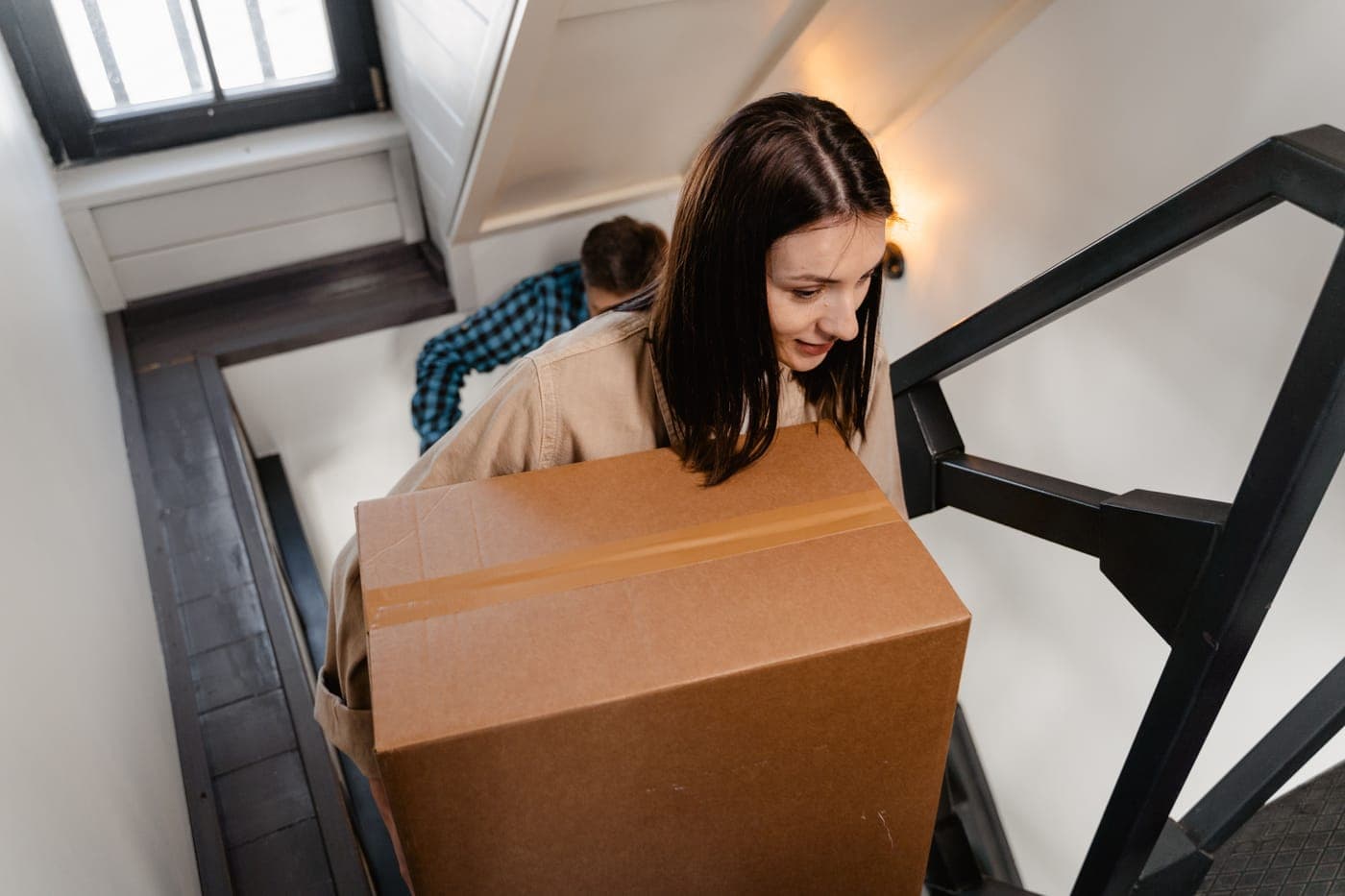
Weight is part of what makes a gun safe secure. It is also what makes moving one one of the more dangerous jobs a homeowner can take on. This page doesn't recommend a product: the honest answer to "what should I buy to move my safe?" is usually "a professional safe mover's time." What it does give you is a clear way to decide, and the safety steps safe makers publish for the moves you can do yourself.
DIY or professional: the decision
Liberty Safe's guidance on moving a safe draws the line plainly: for safes over 500 pounds, or complex moves such as stairs or tight spaces, hiring professionals is strongly recommended. Its other moving articles go further and say it never recommends moving a heavy safe on your own. Using that line:
| Situation | Our call | Why |
|---|---|---|
| Lighter safe, same floor, short and clear path | DIY is reasonable with a dolly and helpers | No stairs, no vehicle, and under Liberty's 500-pound line |
| Any safe over 500 pounds | Hire movers | Liberty strongly recommends professionals above that weight |
| Any stairs, including a few front steps | Hire movers | Liberty calls stairs more difficult and dangerous, and says a professional is your best bet |
| Moving to another house | Hire movers | Loading, securing and unloading add vehicle and ramp risks on top of the carry |
| Weight unknown | Find it first | You can't choose equipment rated for a load you haven't looked up |
Why safes are dangerous to move
Liberty's relocation guide says home and gun safes can weigh anywhere from 200 to over 1,500 pounds, with some models exceeding a ton, and that their bulky shape gives them a high center of gravity, so they tip when handled wrong. It lists crushing injuries and strained backs among the consequences, along with damage to floors, stairs, walls and the safe itself, including its lock and its fire or burglary resistance.
For a sense of scale, compare that with what one person should lift. OSHA has no federal limit on how much a person may lift, but in a 2013 interpretation letter it points to the NIOSH lifting equation, which starts from a maximum of 51 pounds for one person under ideal conditions and adjusts downward for twisting, reach, lift height, distance and grip. Even a small gun safe is several times that. Nobody should be lifting a safe; the job is tilting, rolling and controlling it with equipment.
Before the move
- Empty it completely. Liberty calls this non-negotiable: remove all firearms, ammunition, documents and valuables. It cuts the weight and stops contents shifting, which Liberty says can make the safe more likely to tip. Keep the firearms locked up elsewhere while the safe is empty, for example in a lock box, rather than loose in a room with the doors open.
- Close and lock the door. Liberty's own-move guide says to make sure the safe is closed and locked before moving it.
- Look up the weight and dimensions. You need both to rent the right equipment. Include the handle's depth, and take diagonal measurements for tight corners, Liberty advises.
- Measure the whole route. Doorways, halls, turns and stairs. Liberty suggests taping up a cardboard mock-up of the safe and doing a test run.
- Clear and protect the path. Remove rugs and furniture, lay plywood or hardboard over floors to spread the weight, and pad walls and door frames, per Liberty's relocation guide.
- Check what's underfoot. Liberty tells owners to make sure any staircase is sturdy enough for the safe's weight and to confirm the new location's floor can carry it. Our guide on whether your floor can support a gun safe covers that check.
- Dress for it. Closed-toe shoes with good soles (Liberty suggests steel-toed work boots) and work gloves with a good grip.
The equipment you need
- A heavy-duty appliance dolly rated for the weight. Liberty says not to use a standard dolly, to use one load-rated for your safe, with straps to secure the safe to it.
- A stair-climbing dolly for any stairs. Liberty says never to take a heavy safe on stairs with a standard dolly; a motorized stair climber makes the job much easier.
- Ratchet straps and thick moving blankets. Straps hold the safe to the dolly and inside a vehicle; blankets protect the finish and your door frames, and may save a finger.
- Helpers. Liberty's articles call for at least two strong helpers on stairs and suggest three for any move. One person alone should never move a safe, even across a room.
Moving a safe on one level, step by step
For a lighter safe on a clear, level route, this is the sequence Liberty describes:
- With the safe empty and locked, wrap it in moving blankets.
- With helpers steadying it, slowly tilt the safe to one side while another person slides the dolly under it.
- Strap the safe tightly to the dolly before it moves an inch.
- Tilt the dolly back so the weight rests evenly on its wheels, keeping the safe as upright as possible.
- Move slowly along the planned path, with a helper on each side and someone calling out obstacles.
- At the new spot, reverse the tilt with the same care, then level and anchor the safe.
Stairs: up or down
Stairs are where DIY moves turn dangerous. Liberty's stair guide says that going up to a second floor makes the move more difficult and dangerous, that a professional safe mover is your best bet, and that its team always recommends one. If you proceed anyway, Liberty's conditions are: a team of at least two strong helpers, a dolly load-rated for the safe (ideally an electric stair climber), strong straps, and stairs you've confirmed can take the combined weight of the safe and the people moving it. With a non-climbing dolly, the helpers lift the dolly one step at a time; with a motorized climber, they steady the safe as it goes.
Stairs themselves have limits. The model residential code, as published in California's 2025 Residential Code, requires individual stair treads to carry the uniform stair load or a 300-pound concentrated load, whichever governs. That is a design minimum rather than a breaking point, but a full-size safe on a dolly plus the people steadying it is far above it, which is why Liberty says professional movers look for wooden stairs that can't support a safe before they start.
Moving a safe to another house
Getting the safe into and out of a vehicle adds its own risks. Liberty's guidance:
- Use the right vehicle. A standard pickup may not be enough; a moving truck with a reinforced floor and a hydraulic lift gate is the safest option for loading and unloading, or a rated trailer.
- Check every load rating. Tailgates, ramps and suspensions all have limits, and Liberty notes that plenty of tailgates have been bent by overloading.
- Secure it inside the vehicle. Don't rely on the safe's weight to keep it from tipping; strap it down. Liberty warns a tipping safe can crush, injure or kill.
This is the scenario where a professional is most clearly worth it: the lift gate, the straps and the experience come with the crew.
The DIY mistakes safe makers warn about
Pulled together from Liberty's moving articles, these are the errors that turn a move into an injury:
- Moving it loaded. Liberty says it has seen people try to move safes full; the contents add weight and shift in transit.
- Working alone. Never, even across a room.
- Using a standard dolly or hand truck. It needs to be rated for the safe's weight, with straps, and a stair climber for stairs.
- Skipping the straps. An unstrapped safe can slide or topple off a dolly the moment it tilts.
- Pulling on the handle or dial. You risk breaking the hardware and needing a repair before the safe will open.
- Not measuring. Liberty warns that a safe wedged in a stairwell or doorway is an unsafe situation, not just an inconvenient one.
- Trusting a tailgate or ramp without checking its rating, or leaving the safe unsecured in the vehicle.
- Trying to catch it. If the safe starts to go, let it go.
If it's a new safe being delivered
The simplest way to avoid a DIY move is to never start one. When you buy a full-size safe, ask how it will get from the curb to its final spot before you pay. Liberty says its dealers can help arrange professional delivery and installation; if you buy elsewhere, ask the seller the same question, and confirm whether delivery includes carrying it inside, taking it up or down stairs, and anchoring it. Have the spot chosen, measured and cleared before the truck arrives, and know what's under the floor where it will be bolted down.
Hiring safe movers
Liberty's case for professional movers rests on experience, equipment such as motorized hand trucks, and insurance: if something is damaged, the mover's insurance covers it, whereas a DIY accident is your responsibility. Cost depends on the safe's weight, the distance and complications like stairs or tight corners, per Liberty's relocation guide. When you call around, ask:
- Do you move safes specifically, and how often?
- What equipment will you bring for this weight and these stairs?
- Are you insured for damage to the safe and to my home?
- Will you level and anchor the safe at the new location?
Safe dealers are a good place to start. Liberty, for example, lists authorized independent safe movers on its dealer locator and says its dealers can help arrange professional delivery and installation. For other brands, ask the dealer who sold the safe.
After the move
Liberty's relocation guide ends with a final check: make sure the door swings correctly and the lock works smoothly, and inspect for damage. Then finish the job:
- Level and anchor it. An unanchored safe can tip when its heavy door opens. Our guide to bolting down a gun safe covers concrete, wood and carpet.
- Check the spot. If you're still choosing, our guide to where to put a gun safe weighs humidity, fire, access and floor load.
- Reset the environment. Put the hygrometer and dehumidifier back, and check the humidity in the new spot for the first week (see our humidity guide).
- Then restock it. Only once the safe is anchored and locking correctly.
If you're buying a new safe rather than moving an old one, factor delivery into the choice: a lighter safe that suits your collection is easier on floors, stairs and movers. Our gun safe size guide helps you avoid buying more safe than you need.
Questions
Frequently asked
Can you move a gun safe by yourself?
When should you hire professional safe movers?
How do you move a gun safe up or down stairs?
Should I empty my gun safe before moving it?
Can you move a gun safe with golf balls or pipes?
How much does it cost to move a gun safe?
Keep reading
Related on Bolt & Vault
Receipts
Sources
- Liberty Safe — Can I Move My Safe? (checked 2026-09-19)
- Liberty Safe — How to Move a Gun Safe Up Stairs (checked 2026-09-19)
- Liberty Safe — Tips for Moving a Gun Safe on Your Own (checked 2026-09-19)
- Liberty Safe — Safe Relocation 101 (checked 2026-09-19)
- Liberty Safe — Why You Should Have a Professional Mover Install Your Safe (checked 2026-09-19)
- OSHA — Standard interpretation letter on safe weight limits for manual lifting, June 4, 2013 (checked 2026-09-19)
- UpCodes — California Residential Code 2025, Chapter 3, Table R301.5 (checked 2026-09-19)
We don't lab-test safes and we don't pretend to. Ratings come from the listing body or the maker's own spec pages (linked on every product), recall status from CPSC searches, and law summaries from official sources. Prices are set by Amazon and change often, so we don't print them. Where a figure isn't published, we say so. Read the full method.