Home & Fire Safes · Guide
What to keep in a "fireproof" safe, and what belongs somewhere else
A fire-rated box is built to keep its interior below a set temperature for a rated time, and on the consumer chests we track that limit is set for paper. That makes it right for some things, wrong for others, and only half the answer for your digital backups.
By Mike M.Updated Researched, not lab-tested
#adReader-supported: we may earn a commission if you buy through our links, at no extra cost to you. It never decides a ranking. How we rate · Disclosure
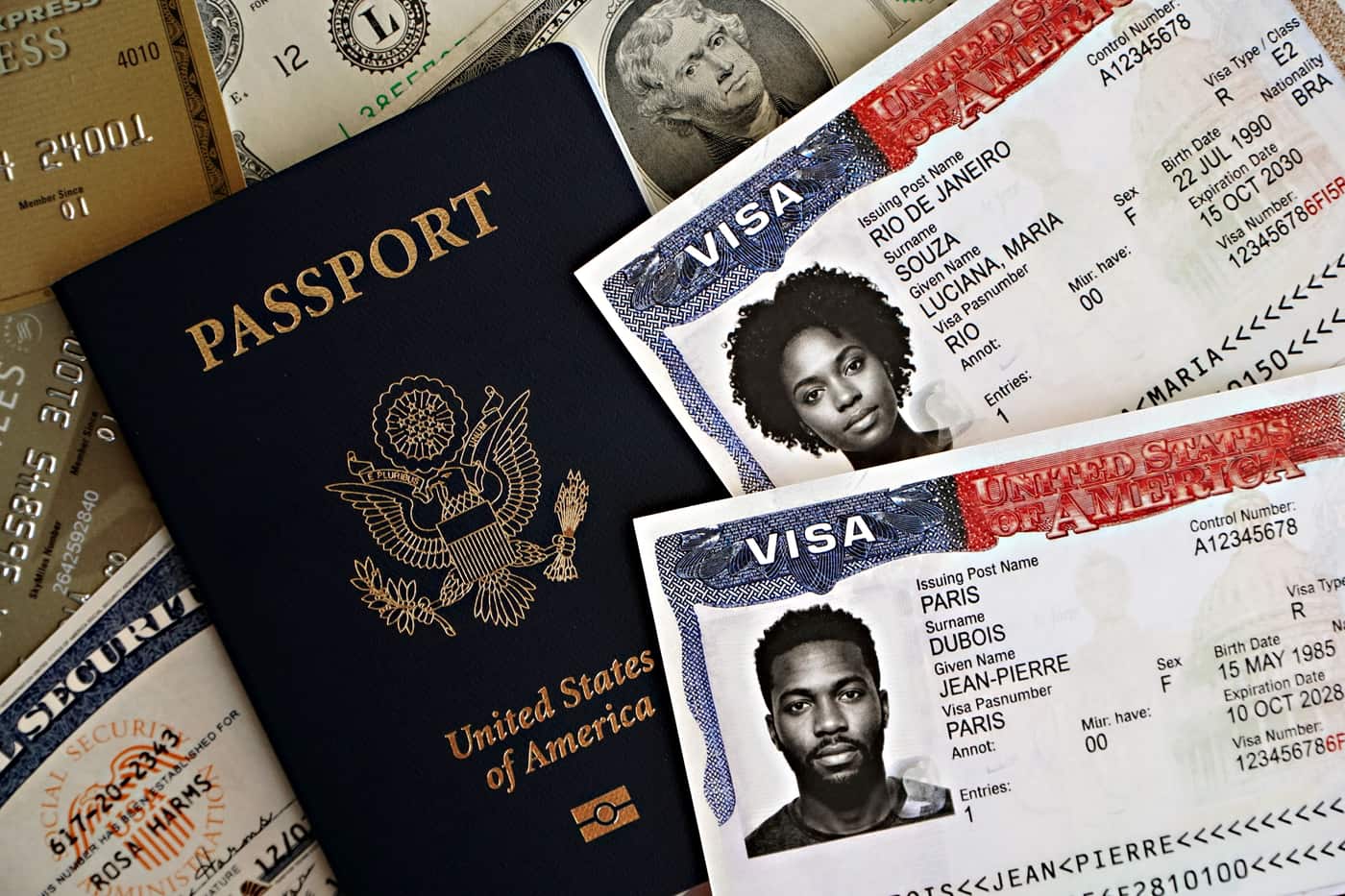
A fire-rated safe or chest has one core job: keep paper records inside a set temperature limit for the length of its rating. Everything you put in it should either be paper you'd struggle to replace quickly after a fire, or something you've checked the rating actually covers. The list below leans on the Federal Emergency Management Agency's Emergency Financial First Aid Kit, a checklist FEMA publishes for exactly this purpose, and on the FDIC's guidance on what belongs at home versus in a bank.
We haven't tested any safe mentioned here. Ratings and storage rules come from the makers' own pages and manuals, and every pick is scored on our published fire-safe rubric.
The short list
If you only read one section, make it this one. Drawn from FEMA's document checklists:
- Identity: passports, birth certificates, Social Security cards, marriage and divorce records, naturalization documents, military discharge papers (DD 214).
- Property: deeds, mortgage documents, lease, vehicle titles and registration.
- Insurance: homeowners or renters, auto, life and flood policies; photos or video of your home's contents; appraisals of valuables.
- Money and taxes: recent tax returns, a list of your accounts (institution, last four digits, phone number), and a small amount of emergency cash.
- Legal: powers of attorney, and a copy of your will, living will and advance directive.
- Medical: copies of insurance and pharmacy cards, immunization records, and a list of regular medications and prescriptions.
- Backups: a password-protected flash drive or external drive with scans of all of the above, if your safe's rating covers it (see below).
Documents worth protecting
FEMA frames the kit around what you would need to recover financially after a disaster without avoidable delays. Its checklists cover identification, housing, insurance, income, taxes, estate planning and medical records, and its advice is practical (FEMA EFFAK):
- Identity documents come first. FEMA suggests photocopying the front and back of your driver's license and the first two pages of your passport, noting that "Having a copy of your passport or Green Card will make getting a replacement quicker."
- Proof of home and income matters for aid. FEMA notes you may need proof of home ownership or of your lease to receive federal disaster assistance, and suggests keeping recent pay stubs.
- Insurance needs evidence of what you owned. FEMA recommends you "take photographs or record a video of the rooms in your home and any valuable belongings", and keep policy numbers and claims phone numbers with your records. Its checklist also flags that flood damage "is rarely covered under your homeowners or renters insurance".
- Estate papers need a plan, not just a box. FEMA lists wills, trusts and powers of attorney, and suggests filing living wills and advance directives with your hospitals and doctors.
How much tax paperwork to keep is a common question. The IRS's general rule is to keep records for 3 years, with longer periods in specific cases: 6 years if you under-reported income by more than 25 percent, 7 years for a worthless-securities or bad-debt claim, and indefinitely if you didn't file or filed a fraudulent return. It says to keep property records until the limitation period expires for the year you dispose of the property (IRS). Older years you're keeping only for safety can live as scans; the current years are worth the space in the box.
Originals, copies and the bank box
Not every original belongs at home. The FDIC names "birth certificates, property deeds, car titles and U.S. Savings Bonds" as good candidates for a bank safe deposit box, because a bank vault is harder to burgle than a home safe. What should stay at home is anything you might need fast: the FDIC specifically names passports and originals of powers of attorney. For an original will, it says to check with an attorney about what your state requires (FDIC).
That leaves a simple pattern: originals in the place that suits how often you'll need them, and copies in the other. FEMA suggests storing paper copies "at home in a fireproof and waterproof box or safe, in a bank safe deposit box, or with a trusted friend or relative", and keeping "an extra copy in a safe place that you can access if your main copy is damaged or misplaced". Our home safe vs safe deposit box comparison works through the split item by item.
Make the copies useful
A copy only helps if someone can find it and read it. FEMA suggests three habits. Photocopy both sides of cards and the key pages of documents, not just the front. Keep electronic copies in "a password-protected format" on a removable drive, or use a secure off-site storage service. And if you have a lawyer, financial advisor or trusted relative, consider giving them a paper copy "in a sealed envelope", with instructions to open it only with your approval or that of someone you've chosen. That last step matters most if you're ever unable to reach the safe yourself.
USB drives, disks and photos
This is where a fire rating is most often misread. UL's standard for fire-resistant record protection, UL 72, defines classes by the highest temperature the interior may reach. "Class 350 rated devices are intended to protect paper records." Class 150 devices "are intended to protect paper and nonpaper records such as EDP media (magnetic tapes) and photographic records", and Class 125 devices "are intended to also protect flexible computer disks" (UL 72). The lower classes exist because those records need a cooler interior than paper does. So a Class 350 rating, the rating behind the consumer fire chests we track, is a paper rating. It is not a media rating.
No product in our registry carries a UL Class 150 or Class 125 media rating. We'd rather say that than dress up a paper box as a media safe. What some models do carry is a narrower maker-reported result. SentrySafe's manuals for the SFW and FPW fire safes list an "(ETL Verified) 1 hour fire protection of CDs, DVDs, memory sticks and USB drives up to 1700°F", and in the same breath say these products are "NOT intended to protect" floppy disks and diskettes, cartridges, tapes, audio or video cassettes, or photo negatives (SentrySafe FPW manual). The Master Lock STW123GTCML's manual lists a 2-hour version of the same data-protection result.
What that means in practice:
- USB flash drives and optical discs: reasonable in a SentrySafe or Master Lock fire safe whose manual lists the ETL data-protection result, as a second copy. FEMA suggests exactly this, a "password-protected format on a removable flash or external hard drive in your fireproof and waterproof box or safe", alongside a secure off-site copy.
- Tapes, camcorder cassettes and photo negatives: SentrySafe's own manuals exclude them. Digitize what you can and keep a copy off-site. Ready.gov suggests storing important documents "in a safety deposit box, an external drive or on the cloud" (Ready.gov).
- Irreplaceable photo prints: UL puts photographic records in the Class 150 group, not the paper-only Class 350 group. Scan them, and consider the originals for a bank box, where the FDIC lists irreplaceable photographs as good candidates.
What not to put in a fire safe
- Firearms, ammunition, combustibles and medication. SentrySafe's manuals say "firearms, other weapons, combustible materials, or medication should NOT be stored in this unit", and Honeywell's chest manual says its chests are "not intended for the storage of medications, firearms, ammunition, or combustible items of any kind" (Honeywell chest manual). Firearms belong in a safe built and rated for them; see our best gun safes.
- Pearls and heat-sensitive media. For the reasons above.
- Jewelry and watches, loose. They can go in, but SentrySafe suggests an airtight container for "jewelry with working parts, watches, stamps, or photos" because of moisture inside the box. A fire chest's privacy lock also won't stop a thief carrying the whole chest away, so pieces worth stealing may be better in a bank box or an anchored burglary-rated safe.
- Large amounts of cash. The FDIC notes that cash outside a deposit account isn't FDIC-insured and can't earn interest. Ready.gov advises a small amount at home for emergencies.
- Written password lists. FEMA doesn't recommend keeping them with your document copies, and suggests a "hint" word instead of the actual password if you must write them down.
- The safe's own keys. SentrySafe's chest manual warns that keys "could potentially be locked inside unit" if you place them inside before relocking.
- Rarely needed originals you could bank. Deeds and titles are the FDIC's example of what a bank box does better.
What the box needs
For a household's documents, look for four things:
- A fire rating a named lab measured. A UL classification on the maker's page or in the manual, with a time figure. Thirty minutes is the shortest rating among the chests we track; an hour gives more margin. Our fire ratings explainer sets out the classes.
- A water rating with a lab named. Fires are fought with water, and floods don't need a fire at all.
- The right shape. Hanging files need a file box the maker says accommodates them; passports and certificates fit a flat chest.
- The right lock. A chest's privacy key keeps children and casual hands out. If you want a keypad, check whether the key is a true override.
Our picks for this
Document safes that meet the bar
All three carry fire ratings SentrySafe says are UL-classified and water ratings it says ETL verified. None states a burglary rating, and none carries a UL Class 150 or 125 media rating.
 Stock photo
Best fire and water file box
SentrySafe FHW40100
Fire chest5.7/10The household file box: takes hanging folders, UL-classified for 30 minutes at 1,550°F, with ETL-verified 72-hour flood protection.
Check price · Amazon#ad · Price set by Amazon · Disclosure for the link to SentrySafe FHW40100
- Stock photo
Best 1-hour UL fire chest
SentrySafe CFW20201
Fire chest6.3/10The grab-and-go chest for passports and certificates: UL-classified for a full hour at 1,700°F, with 72-hour ETL flood protection.
Check price · Amazon#ad · Price set by Amazon · Disclosure for the link to SentrySafe CFW20201
 Stock photo
Best compact fire safe with a backup key
SentrySafe FPW082HTC
Fire chest7.1/10For papers plus a USB backup: UL 1 hour at 1,700°F, an ETL data-protection result for CDs, DVDs and USB drives per the manual, and a real override key.
Check price · Amazon#ad · Price set by Amazon · Disclosure for the link to SentrySafe FPW082HTC
For more choices, including larger steel models, see our rankings of the best document safes and the best fire safes.
Keeping the contents in good shape
A sealed fire box can be damp inside. SentrySafe explains that its fire insulation "has a high moisture content" and that its water-resistant safes "close airtight", so moisture can build up. It asks owners to leave the supplied desiccant in place, open the unit "once every two weeks", and put delicate items "such as jewelry with working parts, watches, stamps, or photos" in an airtight container first. Honeywell's chest manual goes further, asking for at least 30 minutes of airing every week.
Store a chest the way the maker says. SentrySafe's chest manual says to keep it "closed and locked, with the feet down" (SentrySafe chest manual), and Honeywell says its chests must be "stored flat with the lid on top". The FDIC adds one more layer worth copying: seal papers in "water-safe, zippered plastic bags or other plastic containers".
Finally, keep the contents current. FEMA's kit asks you to date each form and to review your insurance and financial paperwork so it stays accurate. A yearly reminder to swap in the latest tax return and insurance policy is an easy way to do that.
How we scored this
Safes we claim to have lab-tested: 0
Plenty of sites say they drilled, burned and flooded every safe they list. We didn't, and we say so. What we do instead: check whether an independent lab listed the safe (UL for burglary under UL 1037, UL or Intertek for fire), read the maker's published steel, lock and bolt-down specs, search CPSC recalls, and score every pick on a public rubric. Every figure links to where it came from.
Scores are editorial judgments from that documented research, not lab results. Commissions never set a score or decide a pick. The rubric and its weights are published.
Questions
Frequently asked
What documents should I keep in a fire safe?
Can you put a USB drive or hard drive in a fire safe?
Should I keep cash in a fire safe?
Can I store a gun in a fire safe?
Why is there moisture in my fire safe?
Should I keep originals or copies in my home safe?
Keep reading
Related on Bolt & Vault
- Best document safesChests and file boxes for papers you can't replace.
- Best fire safesLarger fire-rated safes ranked by who certified the rating.
- Is any safe really "fireproof"?What a fire rating promises, and where it stops.
- Home safe vs safe deposit boxWhich originals belong at home and which in a bank box.
- Safe fire ratings explainedUL Class 350, 150 and 125 side by side.
Receipts
Sources
- FEMA — Emergency Financial First Aid Kit (FEMA P-1075, September 2019)
- Ready.gov — Financial Preparedness
- FDIC — Five Things to Know About Safe Deposit Boxes, Home Safes and Your Valuables
- IRS — How long should I keep records?
- UL Standards & Engagement — UL 72, Fire Resistance of Record Protection Equipment
- SentrySafe — SFW123GDC owner's manual P44621 (checked 2026-09-19)
- SentrySafe / Master Lock — FPW082HTC owner's manual P71885 (checked 2026-09-19)
- SentrySafe — waterproof fire-resistant chests & files manual P44679 (checked 2026-09-19)
- Honeywell Safes — 1101-1108 Waterproof Fire Chest manual (checked 2026-09-19)
We don't lab-test safes and we don't pretend to. Ratings come from the listing body or the maker's own spec pages (linked on every product), recall status from CPSC searches, and law summaries from official sources. Prices are set by Amazon and change often, so we don't print them. Where a figure isn't published, we say so. Read the full method.