Home & Fire Safes · The rankings
Best wall safes: what an in-wall safe between the studs can and can't do
A wall safe's best defense is not being found. We rank in-wall safes on published steel, fit and backup entry, and say plainly where one isn't enough.
By Mike M.Updated Researched, not lab-tested
#adReader-supported: we may earn a commission if you buy through our links, at no extra cost to you. It never decides a ranking. How we rate · Disclosure
Quick picks
The rankings at a glance
| # | Product | Best for | Score | Price |
|---|---|---|---|---|
| 1 |  SnapSafe In-Wall Safe Tall 75414 The heaviest published steel of the wall safes here (8-gauge door, 16-gauge body), lag-screwed into the studs, with a keypad, key backup and a lifetime warranty. It needs a 42 in tall cut. | Best wall safeAccess box | 6.7 /10 | Check price · Amazon |
| 2 | Protex PWS-1814E Sized for a standard 16 in on-center stud bay, with a flange that covers the cut, motorized bolts, and both key and power overrides. "Burglary Resistant" is the maker's wording, not a UL rating. | Best picture-size wall safeAccess box | 5.9 /10 | Check price · Amazon |
| 3 | Homak First Watch Small Wall Safe WS00017001 A key-locked 1.5 mm steel box with a full-length piano hinge that fits between 16 in center studs in a wall or floor: simple concealment with nothing electronic to fail. | Best no-battery wall safeAccess box | 4.6 /10 | Check price · Amazon |
| 4 |  Stealth HS4 Not a wall safe. It ranks below the wall safes because it can't go in a wall, but it's the only UL RSC-rated safe on this page: if protection matters more than hiding, bolt this to a closet floor instead. | Alternative: protection over concealmentUL RSC | 5.6 /10 | Check price · Amazon |
| 5 | SentrySafe X055 Not a wall safe: a 14.2 lb keypad box with override keys and bolt-down hardware for a closet shelf or cabinet, when cutting into a wall isn't an option. No fire rating. | Alternative: small bolt-down boxAccess box | 6.6 /10 | Check price · Amazon |
#ad · Prices are set by Amazon and change often, so we don't print them. Scores are ours, built from certifications, published specs and recall records, not lab tests. Photos are illustrative stock. Tap a row for the full write-up.
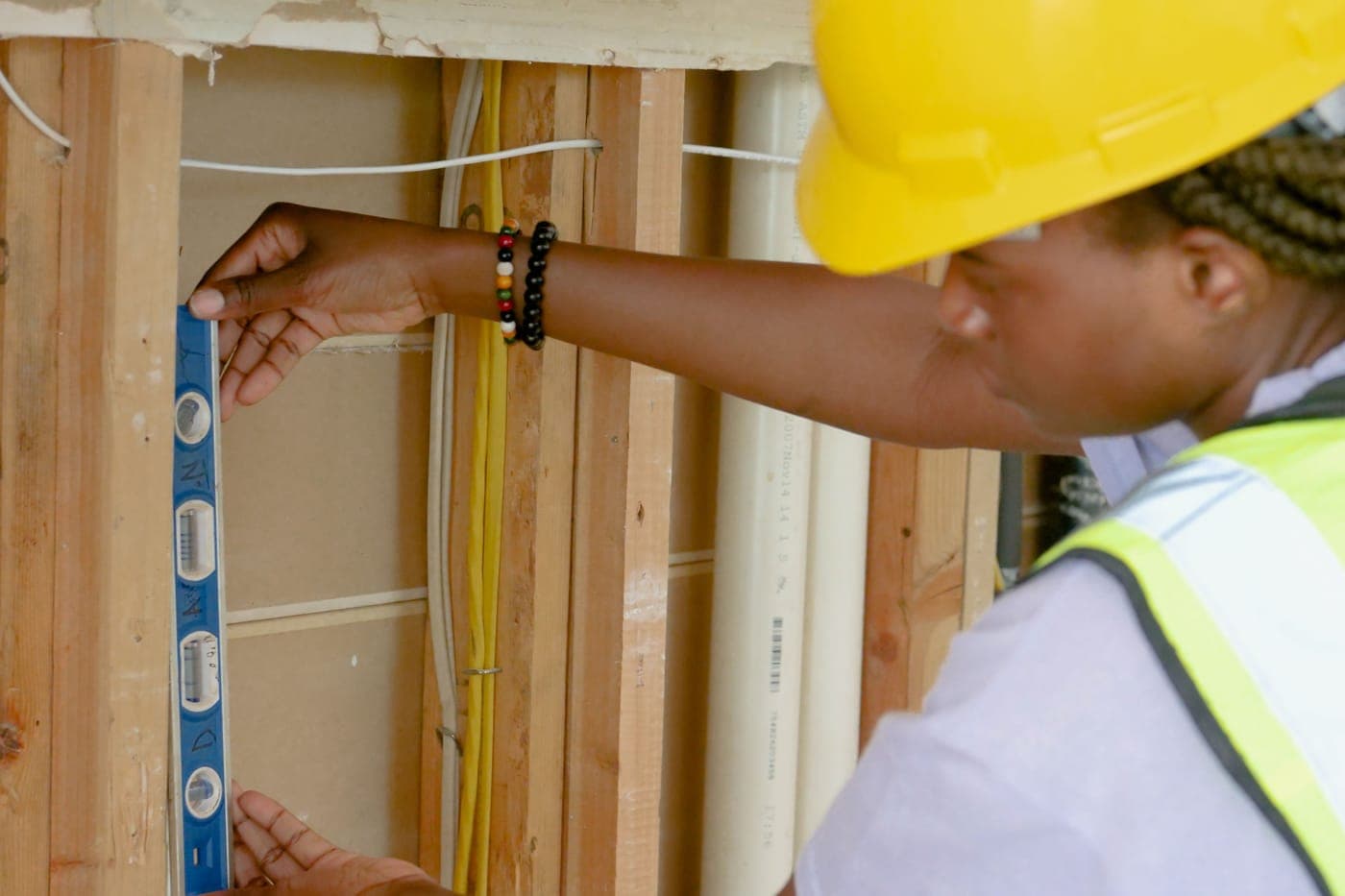
Concealment vs protection: what a wall safe is for
A wall safe sits in the cavity between two wall studs, behind a mirror, a picture or a closet door. Its job is to keep small valuables (cash, a passport, a spare key, jewelry you wear often) out of sight and behind a lock. That is useful. It isn't the same as protection against a determined burglar or a fire.
None of the three wall safes on this page carries a UL burglary rating. Protex describes the PWS-1814E as "Burglary Resistant," which is the maker's wording, not a lab result. The published steel is modest: 1.5 mm on the Homak and a 16-gauge body on the SnapSafe, against 12-gauge on the Stealth HS4 floor safe. And the anchor is the wood studs on either side, not a concrete floor. So a wall safe works best when nobody knows it's there.
If you need protection rather than hiding, a burglary-rated safe bolted to the floor is the stronger answer. That's why the Stealth HS4, with a maker-stated UL RSC rating, appears here as an alternative. UL's RSC Level 1 covers a "five-minute attack by one technician using common hand tools" (UL), a measured result no wall safe here claims. See our best home safes for more rated options.
Stud depth and sizing
Depth is the constraint. A nominal 2x4 stud actually measures 1 1/2 x 3 1/2 in (Family Handyman), so a standard 2x4 wall gives you about 3 1/2 in of stud depth plus the thickness of the drywall you cut through. The wall safes here are built to that envelope:
- Protex PWS-1814E: 3 7/8 in deep outside, 3 in deep inside, with a 16 x 20 in flange that covers the cut. It's "designed to be installed between 16" o/c wall studs" (Protex).
- SnapSafe 75414: 44 x 16.25 x 4 in outside, 41.6 x 11.8 x 3.6 in inside. The manual says to confirm 14.5 in between the studs.
- Homak WS00017001: listed at 4 x 17.25 x 11.75 in, and it fits between two 16 in center studs in a wall or a floor. Homak doesn't publish interior dimensions or capacity.
SnapSafe's manual also says to use an interior wall, one that is "free of all hidden obstructions," so check the bay you've chosen with a stud finder and look for outlets or switches nearby before you commit. Three to 3.6 in of interior depth rules out anything bulky. Think flat: documents, cash, passports, jewelry on the SnapSafe's hooks, a spare key. Measure your wall before you buy; the stud spacing, the cavity depth and anything already inside the wall decide whether a given safe fits.
Locks, lockouts and backup entry
A wall safe is opened more often than a floor safe in a closet, so the lock gets daily use. The three picks take different approaches:
- SnapSafe 75414: an electronic keypad powered by four AA batteries, with an audio and LED low-battery warning and a key backup. The manual says five wrong codes trigger a 5-minute lockout, and the door opens a few inches on its own under spring tension once the right code goes in.
- Protex PWS-1814E: a digital electronic lock driving two motorized 3/4 in chrome bolts, and the door opens automatically. If the power fails, there's both a key override (two keys included) and a power override.
- Homak WS00017001: a tubular key lock and nothing else. There are no batteries to replace, but anyone with the key has access, so where you keep it decides how secure the safe is.
Whichever you choose, test the lock before the safe goes in the wall, as SnapSafe's manual instructs. A fault is far easier to deal with while the safe is still on the workbench.
Wall safe or small bolt-down safe?
The two alternatives on this page exist because some readers will be better served by a safe on the floor. Here's the trade in plain terms, using the Protex as the typical wall safe:
| Feature | Protex PWS-1814E (wall) | SentrySafe X055 (shelf or floor) | Stealth HS4 (floor) |
|---|---|---|---|
| Main defense | Concealment plus a lock | A lock and bolt-down hardware | A UL RSC rating (per maker) plus bolt-down |
| Burglary rating | None ("Burglary Resistant" is maker wording) | None stated | UL RSC (per maker) |
| Fire rating | None stated | None | Maker claim, no lab named |
| Install | Cut drywall, fasten to studs | Bolt down with the included hardware | Bolt to the floor; 191 lb to move |
| Backup entry | Key override and power override | Two override keys | Mechanical dial upgrade available |
If the aim is keeping a spare key, some cash and a passport away from visitors and children, a wall safe does the job and stays out of sight. If the aim is stopping someone who is already searching the house, a rated floor safe is the better tool.
No wall safe here has a fire rating
Plainly: none of the three wall safes states any fire rating, and neither does the SentrySafe X055 alternative. The Stealth HS4 claims 60 minutes at 1,200°F with no lab named. If you keep papers you can't replace, put them in a UL-classified fire chest or fire safe, not a wall safe. Our document safe picks cover the chests.
How we ranked these wall safes
We haven't bought, installed or lab-tested any of these safes. The three wall safes and the X055 are access boxes, scored on our access-control rubric (access reliability, construction and pry resistance, child-access standards, mounting, support). The Stealth HS4 is scored on our fire and home-safe rubric, so its score isn't comparable with the others. Both rubrics are published on how we rate.
The SnapSafe leads on the heaviest published steel (see our steel gauge explainer for what 8-gauge and 16-gauge mean in inches), a keypad with key backup and a lifetime warranty. The Protex is second: a typical picture-size wall safe with two override routes, held back by an unpublished body gauge and a one-year, parts-only warranty. The Homak is simplest and lightest. The HS4 and X055 rank below the wall safes, even though the HS4 is a higher tier and the X055 outscores two of them, because neither goes in a wall; they're here for readers who decide concealment isn't enough.
Our search of CPSC recall notices on 2026-09-19 found no recall for SnapSafe, Protex, Homak, Stealth or SentrySafe safes. Each product card shows its dated recall check.
In detail
The picks, in full
Rank 1
Stock photoBest wall safe
SnapSafe In-Wall Safe Tall 75414
The heaviest published steel of the wall safes here (8-gauge door, 16-gauge body), lag-screwed into the studs, with a keypad, key backup and a lifetime warranty. It needs a 42 in tall cut.
EvidenceResearched · not lab-tested
| Tier | Access box. Children and unauthorized hands. Not a determined burglar with tools. |
|---|---|
| Burglary rating | Not stated by the maker |
| Fire rating | None stated by the maker |
| Body steel | 16 gauge |
| Door steel | 8 gauge |
| Lock | Electronic keypad with audio and LED low-battery warning; spring-assist door |
| Backup entry | Key backup |
| Bolt-down | Installs between studs 16 in on center (confirm 14.5 in between studs); lag screws into the studs |
| Capacity | Interior 41.6 x 11.8 x 3.6 in (H x W x D); removable shelves |
| Exterior dimensions | 44 x 16.25 x 4 in (H x W x D) |
| Weight | 66 lb |
| Warranty | Warranted against material defects and workmanship for the life of the product |
| Recall check | Sep 19, 2026: No CPSC recall found for SnapSafe (Hornady) in-wall safes in a search of CPSC.gov recall notices. |
How the 6.7 score breaks down
- Access reliability evidence (30%)
- 7.5
- Construction & pry resistance (25%)
- 6.5
- Child-access standards (20%)
- 3.5
- Mounting (15%)
- 8
- Support & transparency (10%)
- 9
What the evidence supports
- Published 8-gauge door and 16-gauge body, heavier than most wall safes
- Keypad with key backup and a low-battery warning
- Lifetime warranty; left- or right-opening
Where it falls short
- No fire or water rating
- Interior is only 3.6 in deep
- Needs a 42 in tall opening cut into the drywall
Skip this if…
…you need fire protection or deeper storage than 3.6 in
#ad · Price set by Amazon · Disclosure for the link to SnapSafe In-Wall Safe Tall 75414
Rank 2
Stock photoBest picture-size wall safe
Protex PWS-1814E
Sized for a standard 16 in on-center stud bay, with a flange that covers the cut, motorized bolts, and both key and power overrides. "Burglary Resistant" is the maker's wording, not a UL rating.
EvidenceResearched · not lab-tested
| Tier | Access box. Children and unauthorized hands. Not a determined burglar with tools. |
|---|---|
| Burglary rating | Maker says "Burglary Resistant" (no UL rating cited) |
| Fire rating | None stated by the maker |
| Door steel | 5/8 in formed steel door; body "heavy duty gauge steel" (gauge not published) |
| Lock | Digital electronic lock; dual live motorized 3/4 in chrome bolts; door opens automatically |
| Backup entry | Key lock override (2 keys) and power override |
| Bolt-down | Designed for 16 in on-center wall studs; 3 anchor holes per side (6 total); 16 x 20 in flange |
| Capacity | About 0.44 cu ft (maker-stated); interior 14 x 18 1/8 x 3 in (W x H x D); 2 removable shelves |
| Exterior dimensions | 14 1/8 x 18 1/4 x 3 7/8 in (W x H x D) |
| Weight | 28 lb |
| Warranty | 1-year limited warranty, parts only |
| Recall check | Sep 19, 2026: No CPSC recall found for Protex Safe Co. safes in a search of CPSC.gov recall notices. |
How the 5.9 score breaks down
- Access reliability evidence (30%)
- 7.5
- Construction & pry resistance (25%)
- 5
- Child-access standards (20%)
- 3.5
- Mounting (15%)
- 8
- Support & transparency (10%)
- 5
What the evidence supports
- Sized for a standard 16 in on-center stud bay with a flange that hides the cut
- Key override and power override for a dead battery
- Motorized bolts; velvet interior with two shelves
Where it falls short
- No fire rating: in-wall safes rarely have one
- "Burglary Resistant" is the maker's wording, not a UL rating
- Warranty covers parts only, for 1 year
Skip this if…
…you need fire protection or anything more than concealment plus a lock
#ad · Price set by Amazon · Disclosure for the link to Protex PWS-1814E
Rank 3
Stock photoBest no-battery wall safe
Homak First Watch Small Wall Safe WS00017001
A key-locked 1.5 mm steel box with a full-length piano hinge that fits between 16 in center studs in a wall or floor: simple concealment with nothing electronic to fail.
EvidenceResearched · not lab-tested
| Tier | Access box. Children and unauthorized hands. Not a determined burglar with tools. |
|---|---|
| Burglary rating | Not stated by the maker |
| Fire rating | None stated by the maker |
| Body steel | 1.5 mm steel; full-length piano hinge |
| Lock | HMC tubular key lock |
| Bolt-down | Fits between two 16 in center wall or floor studs |
| Exterior dimensions | 4 x 17.25 x 11.75 in (as listed by Homak) |
| Weight | 10 lb |
| Warranty | 1-year limited warranty |
| Recall check | Sep 19, 2026: No CPSC recall found for Homak wall safes or gun cabinets in a search of CPSC.gov recall notices. |
How the 4.6 score breaks down
- Access reliability evidence (30%)
- 5
- Construction & pry resistance (25%)
- 4
- Child-access standards (20%)
- 3.5
- Mounting (15%)
- 6
- Support & transparency (10%)
- 4.5
What the evidence supports
- Key lock only: no batteries to fail
- Fits between 16 in center studs in a wall or floor
- Foam-lined interior; easy to conceal behind a mirror or picture
Where it falls short
- 1.5 mm steel body; concealment does most of the work
- No fire or water rating
- Small interior; capacity not published
Skip this if…
…you want quick keypad access or anything beyond hiding small valuables
#ad · Price set by Amazon · Disclosure for the link to Homak First Watch Small Wall Safe WS00017001
Rank 4
Stock photoAlternative: protection over concealment
Stealth HS4
Not a wall safe. It ranks below the wall safes because it can't go in a wall, but it's the only UL RSC-rated safe on this page: if protection matters more than hiding, bolt this to a closet floor instead.
EvidenceResearched · not lab-tested
| Tier | UL RSC. A timed hand-tool attack under UL 1037 (Level 1: one person, five minutes, common hand tools). |
|---|---|
| Burglary rating | UL RSC (Residential Security Container) burglary rating (per maker) |
| Fire rating | Manufacturer claim: 60 min at 1,200°F (testing lab not named) |
| Body steel | 12 gauge |
| Door steel | 12 gauge |
| Lock | UL-listed electronic lock (NL UR-2020) behind a hard plate with internal re-locker; mechanical dial upgrade available; six 1.25 in bolts |
| Bolt-down | 4 pre-drilled bolt-down holes; hardware included |
| Capacity | Interior 21 x 15 x 13 in (H x W x D); leather-lined shelf; interior power outlet |
| Exterior dimensions | 24 x 18 x 20 in (H x W x D), add 1 5/8 in depth for handle |
| Weight | 191 lb |
| Warranty | Lifetime burglary, attempted burglary and house fire warranty plus 2-year parts and labor |
| Recall check | Sep 19, 2026: No CPSC recall found for Stealth safes; the biometric gun-safe recalls found in the search (Awesafe, Fortress, SA Consumer Products) are other brands. |
How the 5.6 score breaks down
- Fire rating evidence (35%)
- 4
- Water rating evidence (15%)
- 0
- Burglary resistance (20%)
- 8.5
- Lock & entry (15%)
- 8.5
- Capacity & fit (10%)
- 7.5
- Support & transparency (5%)
- 9
What the evidence supports
- Maker states a UL RSC burglary rating, rare for a home safe sold on Amazon
- UL-listed electronic lock protected by a hard plate and re-locker
- 12-gauge door and body with six 1.25 in bolts
- Lifetime burglary and fire replacement warranty
Where it falls short
- Fire rating is a maker claim at 1,200°F with no lab named
- No water rating
- 191 lb: needs a plan for delivery and placement
Skip this if…
…fire is your main risk and you want a UL-classified fire rating; look at the AMSEC BF1512 or a UL-classified fire safe
#ad · Price set by Amazon · Disclosure for the link to Stealth HS4
Rank 5
Stock photoAlternative: small bolt-down box
SentrySafe X055
Not a wall safe: a 14.2 lb keypad box with override keys and bolt-down hardware for a closet shelf or cabinet, when cutting into a wall isn't an option. No fire rating.
EvidenceResearched · not lab-tested
| Tier | Access box. Children and unauthorized hands. Not a determined burglar with tools. |
|---|---|
| Burglary rating | Not stated by the maker |
| Fire rating | None (maker lists security protection only) |
| Water rating | None |
| Body steel | Solid steel; gauge not published |
| Lock | Battery-powered digital keypad (1-8 digit code); 2 live-locking bolts |
| Backup entry | Two override keys |
| Bolt-down | Bolt-down hardware included |
| CA DOJ | California DOJ certified for firearm storage (maker states) |
| Capacity | 0.58 cu ft (maker-stated); interior 8.5 x 13.6 x 8.7 in (H x W x D) |
| Exterior dimensions | 8.7 x 13.8 x 10.2 in (H x W x D) |
| Weight | 14.2 lb |
| Recall check | Sep 19, 2026: No CPSC recall found for SentrySafe fire, water or security safes in a search of CPSC.gov recall notices. |
How the 6.6 score breaks down
- Access reliability evidence (30%)
- 7
- Construction & pry resistance (25%)
- 5
- Child-access standards (20%)
- 8.5
- Mounting (15%)
- 6.5
- Support & transparency (10%)
- 6
What the evidence supports
- Maker states California DOJ certification for firearm storage
- Override keys for a dead battery or forgotten code
- Bolt-down hardware included; 14 lb, fits a shelf or cabinet
Where it falls short
- No fire rating and no water rating
- No burglary rating; light enough to carry off unless bolted down
- Small 0.58 cu ft interior
Skip this if…
…you need any fire protection for documents; pair it with a fire chest or choose a fire safe
#ad · Price set by Amazon · Disclosure for the link to SentrySafe X055
What to look for in a wall safe
- A fit for your studs. All three are built for 16 in on-center framing. Check the spacing and cavity depth in the exact wall you'll use.
- Published steel. The SnapSafe publishes gauges for door and body, the Homak a 1.5 mm thickness, and the Protex a door spec but not a body gauge.
- Backup entry. The Protex has a key override and a power override; the SnapSafe has key backup and a low-battery warning; the Homak is key-only, with no batteries to fail. Our lock guide covers keypads vs keys.
- A way to hide the cut. The Protex flange covers the opening; any of them can sit behind a mirror or picture, as Homak suggests.
- Warranty. SnapSafe warrants the 75414 for the life of the product; Homak gives one year; Protex gives one year, parts only.
Which wall safe fits your space
- A tall, narrow stash for documents, jewelry and keys: the SnapSafe 75414, if you have a 42 in run of clear wall between two studs.
- A picture-sized safe behind a frame or mirror: the Protex PWS-1814E, whose 16 x 20 in flange covers the cut.
- The simplest option, with no electronics: the Homak WS00017001, which also fits between floor studs.
- You can't or won't cut a wall: the SentrySafe X055 bolted inside a cabinet or closet.
- You need real burglary protection: the Stealth HS4 bolted to a closet floor.
What fits inside, and what comes with it
SnapSafe's manual lists five shelves, a shelf mat, a document holder, a jewelry and key hanger, a picture frame hook and eight lag screws in the box for the 75414. The Protex has a velvet interior with two removable shelves, and the Homak has a black foam lining. With 3 to 3.6 in of interior depth, plan on flat items: folders laid on a shelf, envelopes of cash, passports, small jewelry boxes and keys. Anything thicker belongs in a floor safe.
Keeping a wall safe secret
Because concealment does most of the work, the habits around a wall safe matter as much as the hardware. Cover it with something that belongs on that wall; SnapSafe includes a picture frame hook for exactly that, and Protex's flange sits flat for a frame or mirror to hang over. Install it when you're alone in the house, and keep the location to the people who need it. If a contractor or painter will be working in the room, empty the safe or choose a spot they won't need to open up. And if you rent, get your landlord's permission before you cut into a wall.
How installation works
We're summarizing SnapSafe's published steps for its in-wall safes, not describing our own install. Follow your safe's instructions exactly.
- Test the safe's lock before it goes in the wall.
- Choose an interior wall that is "free of all hidden obstructions."
- Find the two studs with a stud finder, mark their inside edges and confirm the spacing (14.5 in for SnapSafe).
- Mark level top and bottom cut lines at the height the safe needs (42 in for the 75414).
- Cut the drywall between the studs and remove the section.
- Slide the safe in, pre-drill through each mounting hole into the stud, and fasten with the lag screws provided.
- Change the factory default code before you store anything; the manual says you must.
If you aren't comfortable locating wiring and plumbing, SnapSafe's own advice is to consult a professional contractor.
Where to put a wall safe
Homak suggests the WS00017001 "can be concealed behind a mirror, picture frame, or inside a closet" (Homak), and says it fits between floor studs too. A closet wall behind hanging clothes keeps the cut out of view. Our guide to where to put a safe in your house covers concealment in more detail.
Mistakes to avoid
- Cutting before checking for pipes, wires and ducts.
- Buying before measuring stud spacing and cavity depth.
- Using a wall safe for papers you can't replace; none of these has a fire rating.
- Leaving the factory code in place.
- Hanging the cover picture somewhere a picture would look out of place, which draws the eye to the spot.
- Keeping the backup key next to the safe, or telling guests and contractors where it is.
How we scored this
Safes we claim to have lab-tested: 0
Plenty of sites say they drilled, burned and flooded every safe they list. We didn't, and we say so. What we do instead: check whether an independent lab listed the safe (UL for burglary under UL 1037, UL or Intertek for fire), read the maker's published steel, lock and bolt-down specs, search CPSC recalls, and score every pick on a public rubric. Every figure links to where it came from.
Scores are editorial judgments from that documented research, not lab results. Commissions never set a score or decide a pick. The rubric and its weights are published.
Corrections & updates
- Published. Evidence, listings and CPSC recall searches checked for every pick.
Questions
Frequently asked
Are wall safes "fireproof"?
Will a wall safe fit between my studs?
Are wall safes safe from burglars?
Can I install a wall safe myself?
How do I open a wall safe if the battery dies?
Keep reading
Related on Bolt & Vault
- Where to put a safe in your houseConcealment, anchoring and the rooms to avoid.
- Best home safes for jewelryTheft-first picks when hiding pieces isn't enough.
- Best home safesRated safes ranked by the threat they stop.
- How to choose a home safeThreat, rating, size and placement, in that order.
- Electronic vs mechanical safe locksKeypads, keys and dials: reliability and backup entry.
Receipts
Sources
- Family Handyman — Nominal vs. actual lumber dimensions
- SnapSafe — In-Wall Safes owner's manual and installation instructions
- Protex Safe Co. — PWS-1814E product page
- Homak — Small Wall Safe WS00017001 product page
- UL — Residential Security Container Standard Revised (UL 1037 RSC levels)
- U.S. Consumer Product Safety Commission — Recalls (searched 2026-09-19)
We don't lab-test safes and we don't pretend to. Ratings come from the listing body or the maker's own spec pages (linked on every product), recall status from CPSC searches, and law summaries from official sources. Prices are set by Amazon and change often, so we don't print them. Where a figure isn't published, we say so. Read the full method.